
Lazimpat, Radisson Hotel Road, Kathmandu



What to Expect
Overview:
Island Peak Climbing, locally known as Imja Tse, lies nestled within the icy wilderness of the Khumbu region in eastern Nepal. The peak got its English name from Sir Edmund Hillary, who remarked that it looked like an island rising from a sea of ice when seen from Dingboche.
Climbing Island Peak is a thrilling yet accessible mountaineering challenge that rewards you with both adventure and stunning Himalayan vistas. Standing at 6,189 meters, it’s considered one of the more achievable trekking peaks in Nepal, making it ideal for climbers seeking a high-altitude experience without extreme technical demands. This journey is more than just a summit it’s an exploration of the legendary Everest Region, with scenic trails, Sherpa villages, and dramatic landscapes. The expedition also includes trekking to Everest Base Camp, adding depth and excitement to the adventure.
The peak was first successfully climbed in 1953 by members of a British expedition the same team that later achieved the first ascent of Mount Everest. Whether you're a seasoned trekker aiming for your first Himalayan summit or an adventure lover seeking breathtaking views and moderate climbing challenges, Island Peak Climbing offers the perfect combination of culture, nature, and high-altitude thrill all within a 15-day itinerary.
Island Peak Climbing with Everest Base Camp Trek – A Journey of Adventure and Acclimatization
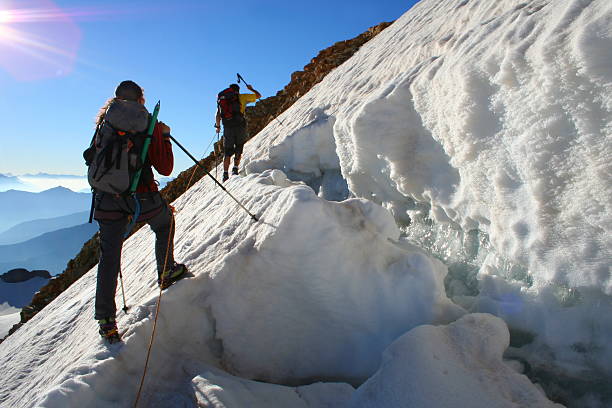
Island Peak, also known locally as Imja Tse, is one of the most sought-after trekking peaks in the Everest region. Its location between towering Himalayan giants makes it an appealing climb for mountaineers and trekkers alike. Situated amidst the glacial landscapes of the Khumbu, this peak has become a top choice for adventurers preparing for more technical expeditions above 6,000 meters. For many aspiring climbers, Island Peak serves as a training summit an excellent introduction to alpine mountaineering. While it does require basic climbing techniques such as using fixed ropes, jumars, and crossing crevasses with ladders, with proper guidance and acclimatization, the climb is well within reach for physically and mentally prepared individuals.
While some climbers attempt Island Peak as a stand-alone adventure, combining it with the Everest Base Camp (EBC) Trek offers a more effective acclimatization process and a deeper experience of the Khumbu region. Trekking through the Everest trail allows you to gradually adapt to the altitude while enjoying incredible scenery, Sherpa hospitality, and Himalayan culture.
A Scenic and Rewarding Approach to Island Peak
Your journey begins with a short scenic flight from Kathmandu to the mountain airstrip at Lukla, the gateway to the Everest region. From there, you follow the Dudh Koshi River valley, passing traditional Sherpa villages like Phakding and Monjo, before reaching the vibrant town of Namche Bazaar, a vital hub for trekkers and climbers. As the trek ascends, you'll witness incredible vistas of Everest, Lhotse, Nuptse, Ama Dablam, and other iconic peaks. Time spent exploring Tengboche Monastery and resting in Dingboche or Lobuche provides both cultural immersion and essential altitude adaptation.
The hike to Kala Patthar, a renowned viewpoint, offers a breathtaking panorama of Mount Everest and the surrounding peaks. This segment plays a vital role in acclimatization before your climb. After visiting Everest Base Camp, you descend and head toward Chhukung Valley, diverging from the standard trail to begin your approach to Island Peak. Along the way, you'll cross suspension bridges and pass trails leading to other adventures like the Amphu Lapcha Pass.
The Climb to Island Peak
From Chhukung, you trek to the Island Peak Base Camp, surrounded by striking views of Nubri, Peak 38, Ama Dablam, Kangre Nup, and Imja Lake. The climb typically begins with an overnight at High Camp, followed by a technical ascent that involves rock scrambling, glacier travel, and a final push to the summit using fixed ropes.
One of the more challenging sections involves navigating loose rocks below the summit ridge, but with the support of experienced guides, you're well-equipped to face it safely. Upon reaching the summit, climbers are rewarded with a sweeping panorama of the Eastern Himalayas, including Makalu, Kanchenjunga, Mera Peak, Cho Oyu, Pumori, and Thamserku. The peak is often blanketed in snow, adding to its charm and the thrill of standing atop a Himalayan summit.
Return Journey and Completion
After successfully summiting Island Peak, you descend back to Base Camp and retrace your steps through the Khumbu valley. Passing through Namche Bazaar, you eventually return to Lukla, where your journey concludes with a scenic flight back to Kathmandu. Throughout the climb, trekkers receive training in mountaineering techniques and use of climbing gear, enhancing safety and confidence. Our itinerary includes adequate acclimatization days, hygienic meals, and proper guidance to ensure a safe and enjoyable experience.
Your adventure begins with a spectacular early morning flight from Kathmandu to Lukla, one of the most thrilling airstrips in the world. The 35-minute journey offers stunning aerial views of the Himalayan range, including glimpses of Mount Everest on clear days. Upon landing, you’ll meet your trekking team and begin your trek through the vibrant Dudh Koshi River valley. The trail gently descends through pine forests, passing charming Sherpa villages like Chheplung and Ghat, before arriving at the peaceful riverside settlement of Phakding.
Today’s journey continues along the banks of the Dudh Koshi River, with multiple crossings over iconic suspension bridges adorned with prayer flags. As you pass through small villages like Monjo and Jorsale, you'll enter the Sagarmatha National Park. The final two-hour climb to Namche Bazaar is steep and challenging but rewarding. As you reach Namche, the vibrant heart of the Khumbu region, you’ll be greeted with your first views of Everest and surrounding peaks. This bustling mountain town is filled with shops, cafes, and trekkers from around the world.
This day is set aside for proper acclimatization, essential for adapting to the higher altitudes ahead. To keep your body active, you’ll go on a short hike to the Everest View Hotel (3,880 m), which offers a panoramic vista of Everest, Lhotse, Ama Dablam, and other peaks. You can also explore the Sherpa Culture Museum or the local market in Namche. It’s a great opportunity to rest, recharge, and enjoy the lively atmosphere of this Himalayan trading post.
Leaving Namche, the trail contours along the mountainside with spectacular views of Thamserku and Ama Dablam. After a gentle descent to the Dudh Koshi River at Phunki Thenga, the path climbs through pine and rhododendron forests to the spiritual center of Tengboche. Here, you'll visit the famous Tengboche Monastery, the largest in the Everest region, known for its dramatic location with Everest and other towering peaks in the background. Witness evening prayers for a truly serene Himalayan experience.
The trail descends through lush forests and crosses the Imja Khola before ascending through the village of Pangboche. As you continue, the landscape becomes more barren and alpine, marking your arrival in the high-altitude region. Pheriche is a windswept village nestled in a broad valley, popular among trekkers and climbers. You’ll feel the air getting thinner as you gain altitude, making this gradual pace important for your body’s adaptation.
Today’s trek follows the moraine of the Khumbu Glacier with views of towering peaks all around. Along the way, you’ll pass the memorial area of Thukla Pass, where tributes have been built in honor of climbers who perished on Everest. From here, the trail climbs steadily to Lobuche, a small settlement tucked between glaciers and steep ridges. As you approach, Nuptse looms directly ahead, foreshadowing the proximity of Everest.
A shorter but critical day, the trail from Lobuche to Gorakshep leads you across rocky glacial terrain. After reaching Gorakshep and settling into your lodge, you’ll embark on the highlight of many trekkers’ journeys Everest Base Camp. Following the Khumbu Glacier, you reach the base of the world’s highest mountain. Although the peak itself is not visible from base camp, the experience of standing at this legendary site is unforgettable. After spending time soaking in the atmosphere, return to Gorakshep for the night.
Start early for a sunrise hike to Kala Patthar, the best viewpoint for close-up views of Mount Everest, as well as Nuptse, Pumori, and the entire Khumbu glacier. At the summit, you’ll be rewarded with 360-degree views that are a photographer’s dream. After spending time at the top, descend to Gorakshep for breakfast and then trek back to Lobuche for your overnight stay.
Prepare for one of the toughest days on the trek as you cross the challenging Kongma La Pass. The route involves steep ascents and descents through rugged, high-altitude terrain, with dazzling views of surrounding peaks and glaciers. After crossing the pass, descend into the Imja Valley to reach the tranquil village of Chhukung, a staging point for Island Peak expeditions.
Today’s trek to Island Peak Base Camp is relatively short but essential for your summit attempt. The trail ascends through glacial moraine and rocky paths, offering views of Imja Tse (Island Peak), Lhotse, and Ama Dablam. At base camp, your guide will go over climbing techniques and safety procedures. You'll also spend time preparing your gear for the summit push.
Begin your climb before dawn, using headlamps to navigate the dark terrain. The route involves rock scrambling, glacier travel, and fixed rope sections on the final ice wall. Reaching the summit of Island Peak is an incredible achievement, offering panoramic views of Lhotse, Baruntse, and Makalu. After a brief celebration and photos at the top, descend carefully back to base camp and continue to Chhukung for a well-earned rest.
Following your successful summit, descend back down through alpine meadows and yak pastures. Pass through Dingboche and continue to the charming village of Pangboche, where you can visit one of the oldest monasteries in the Khumbu region.
Today’s trek retraces your steps back to Namche. The downhill path is easier on the lungs, and you’ll once again enjoy forested trails and views of the surrounding peaks. Arriving in Namche feels like returning to civilization, with time to relax in cozy lodges or pick up souvenirs.
The final trekking day takes you back through Jorsale, Monjo, and Phakding before making a gradual ascent to Lukla. Enjoy the last leg of your Himalayan journey with a celebratory dinner with your team, reflecting on the incredible experiences of the past two weeks.
Take an early morning flight back to Kathmandu. As you soar above the Himalayas one final time, you’ll carry home unforgettable memories of high peaks, Sherpa culture, and the triumph of summiting Island Peak.



© Nasayana Tours 2026


Developed by: Web House Nepal