What Makes Nepal the Sacred Core of South Asia

  • Surrounded by the spiritual titans of India and Tibet, Nepal may appear modest in scale, but it holds a powerful spiritual magnetism that transcends borders and belief systems. Rich in sacred heritage, vibrant rituals, and timeless traditions, Nepal offers something that few destinations can an authentic experience of living spirituality.
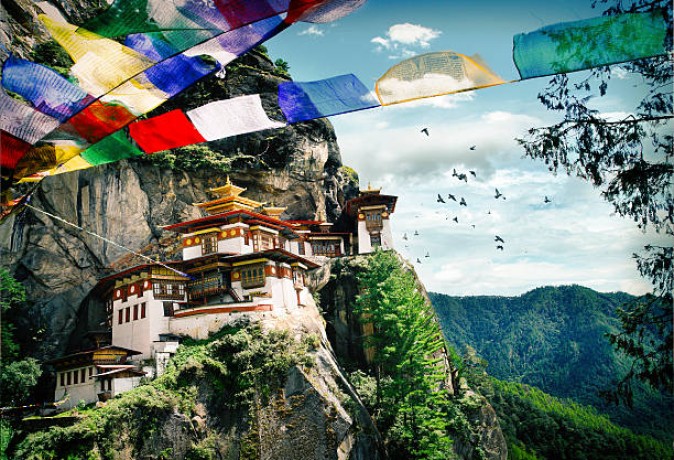
  • While other countries may preserve the spiritual past through monuments and books, Nepal lives and breathes it every day. Its prayer flags flutter in the wind not just as symbols, but as daily blessings for all sentient beings. From its soaring Himalayan peaks to its tranquil valleys and ancient shrines, Nepal offers a journey that stirs the soul. That is why, to many, Nepal is more than a country it is the Spiritual Heart of South Asia.


  • A Daily Expression of the Sacred
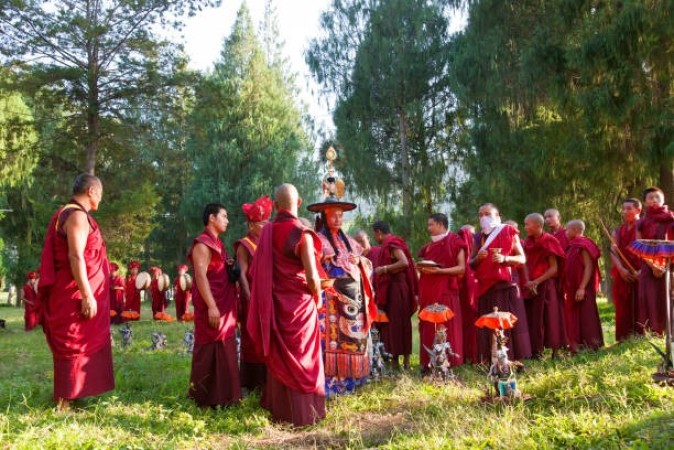
  • In Nepal, the sacred and the mundane are inseparable. Spirituality isn't reserved for temples or holy days; it thrives in every corner of daily life. Step into a village before sunrise, and you might see a grandmother lighting butter lamps at a roadside shrine or hear the melodic hum of a monk chanting mantras in a distant monastery.
  • Here, the landscape is seen as divine. Rivers are honored as mothers. Trees are worshipped as protectors. Mountains are viewed as the abodes of gods and sages. In this way, Nepal’s deep spirituality is more than belief it’s a worldview, a way of being
  • 1. Lumbini – Where Enlightenment Began
  • Lumbini, located in Nepal’s southern Terai region, is one of the holiest places for Buddhists around the globe. This sacred site marks the birthplace of Prince Siddhartha Gautama, who later became the Buddha, the awakened one.
  • Visiting Lumbini is like stepping back into a different era. The Maya Devi Temple preserves the exact spot of the Buddha’s birth, while the peaceful monastic zone built by different countries offers a glimpse into the global embrace of Buddhism. Monks in saffron robes chant by lotus ponds, while travelers from around the world come to sit beneath ancient sal trees in quiet contemplation.
  • Lumbini is not just a pilgrimage site it is a place of deep stillness, spiritual clarity, and timeless connection.
  • 2. A Sacred Tapestry of Hindu Devotion
  • Although Nepal is now a secular state, it still holds one of the richest and most vibrant expressions of Hinduism in the world. Unlike in many places where religion is practiced behind closed doors, in Nepal it spills out into the streets, the homes, the rivers, and the skies.
  • At Pashupatinath Temple, dedicated to Lord Shiva, sacred rituals take place around the clock. Here, pilgrims gather to seek blessings, watch cremation rites on the banks of the Bagmati River, and meditate on life’s impermanence.
  • Major festivals such as Dashain, Tihar, Janai Purnima, and Teej turn the entire nation into a spiritual celebration. Streets are adorned with lights, homes become temples, and the atmosphere is charged with devotion.
  • Nepal’s form of Hinduism is raw, colorful, and deeply personal an open invitation to connect with the divine in every aspect of life.
  • 3. The Himalayas – Where Heaven Touches Earth
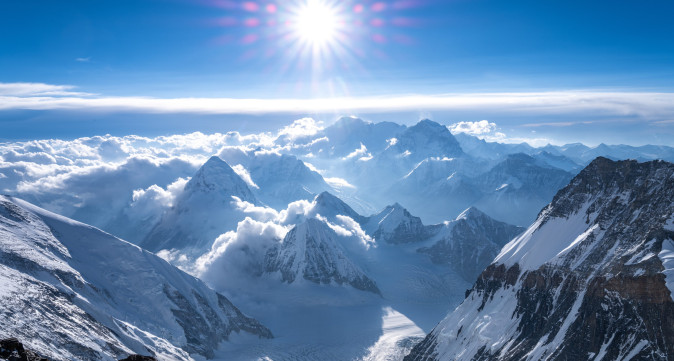
  • Nowhere else on Earth do mountains carry such spiritual weight as in Nepal. The Himalayas are not merely towering landscapes they are sacred spaces imbued with centuries of myth, legend, and reverence.
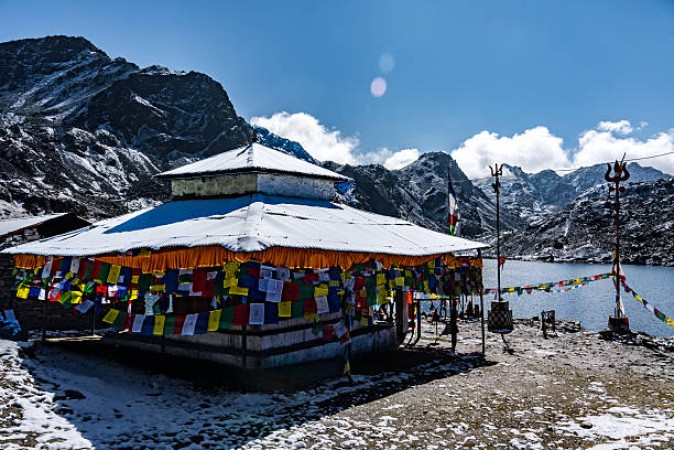
  • Gosaikunda, a high-altitude glacial lake, is believed to have been formed by Lord Shiva when he struck his trident into the mountain to create water.
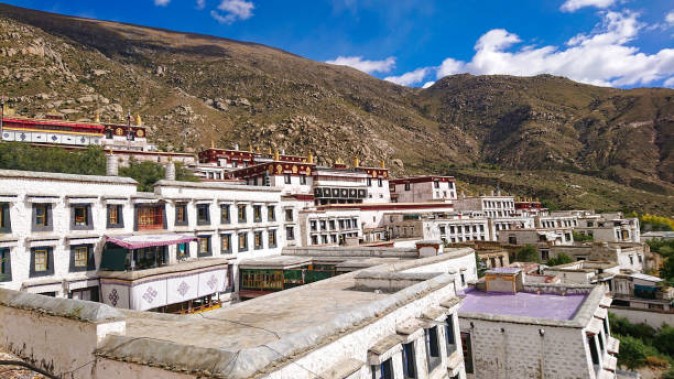
  • Remote regions like Tsum Valley, Dolpo, and Upper Mustang are considered beyuls hidden spiritual sanctuaries prophesied by Guru Rinpoche (Padmasambhava) to be places of refuge and practice during times of chaos.
  • Although Mount Kailash lies just outside Nepal in Tibet, countless Nepali pilgrims undertake the difficult yatra to circumambulate this cosmic mountain considered sacred by Hindus, Buddhists, Jains, and Bonpo alike.
  • To walk in these mountains is to walk through the pages of sacred stories still being written.
  • 4. Unity Through Spiritual Diversity
  • Few countries demonstrate religious harmony as beautifully as Nepal. Here, Hinduism and Buddhism don’t just co-exist they complement one another, often intertwining through rituals, deities, and sacred spaces.
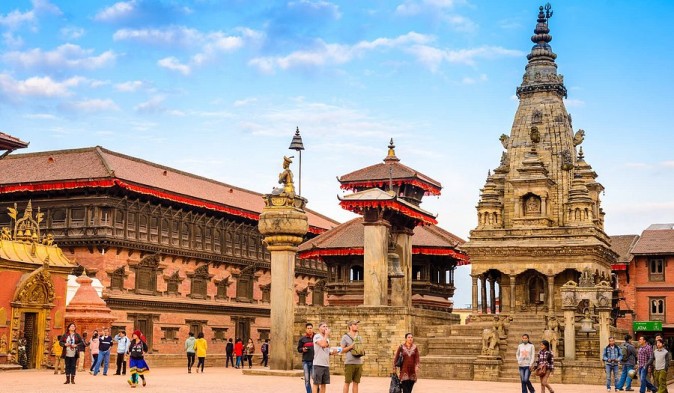
  • Swayambhunath Stupa—commonly known as the Monkey Temple is a perfect symbol of this fusion. It’s a Buddhist stupa with a Hindu influence, surrounded by shrines, statues, and symbols that welcome both traditions.
  • Boudhanath, one of the largest stupas in the world, is a revered site for Tibetan Buddhism and also frequented by Hindu devotees.
  • Many spiritual figures like Avalokiteshvara (Buddhist) and Lokeshwar (Hindu) are viewed through different lenses but venerated with equal love and respect.
  • This peaceful blend gives Nepal a unique spiritual rhythm, where prayer flags fly above Shiva temples and mantra chants echo beside Vedic hymns.
  • 5. A Living Library of Meditation, Tantra & Yogic Wisdom
  • Nepal is a sanctuary for those in search of deeper truths. From the Himalayan caves of ancient yogis to vibrant monasteries and ashrams, it has preserved spiritual teachings that have faded elsewhere.
  • Pharping, near Kathmandu, is home to sacred caves where Guru Rinpoche is believed to have attained realization. Today, it hosts thriving Tibetan Buddhist monasteries and meditation centers.
  • Namo Buddha, surrounded by gentle hills and pine forests, offers an ideal environment for reflection and retreat.
  • Nepal also upholds lesser-known paths of tantra, mantra, and yogic lineages that are still passed down orally through generations of teachers and seekers.
  • Spiritual travelers often find that Nepal provides a rare authenticity in its teachings a place where you can not only learn, but live the tradition.


  • Pilgrimages that Open the Heart
  • Spiritual journeys in Nepal are not limited to meditation and temple visits they are also deeply embodied in physical pilgrimages that challenge and uplift the soul.
  • Muktinath, nestled in the Mustang region, is a deeply sacred site for both Hindus and Buddhists. The natural flames that burn there are considered miraculous, and the mountain setting adds to its mystique.
  • Janakpur, the mythical birthplace of Sita, draws thousands of devotees each year, especially during festivals linked to the Ramayana.
  • Temples like Manakamana, Pathibhara Devi, and Kalinchowk Bhagawati offer high-altitude spiritual experiences and panoramic views that elevate body and spirit.
  • Even the world-renowned treks such as Everest Base Camp or the Annapurna Circuit become more than just physical adventures they often lead to deep introspection and transformation.


  • Sacredness in the Spirit of the People
  • What makes Nepal truly special is the gentle and open-hearted spirit of its people. From monks in the highlands to farmers in the lowlands, you’ll find kindness, humility, and an ever-present sense of reverence.
  • Even in today’s changing world, many Nepalis continue to follow ancestral customs offering pujas at sunrise, celebrating harvest festivals, and sharing spiritual knowledge with warmth and pride. Their respect for the sacred in daily life invites visitors not just to observe, but to participate and connect.


  • A Soulful Journey Awaits You
  • Nepal has a way of reaching people beyond words. Whether you come for the temples or the trekking, the yoga or the culture, you often leave with something more a quiet clarity, a restored heart, or a sense of purpose you didn’t know you were looking for.
  • This is the essence of Nepal. It doesn’t demand your attention it welcomes your presence. And in doing so, it becomes a mirror where you rediscover your own spiritual path.


  • 🙏 Frequently Asked Questions (FAQs)
  • Q1: Is Nepal only spiritually significant for Buddhists and Hindus?
  • Not at all. Nepal offers a spiritual sanctuary for people of all beliefs. Whether you're religious, spiritual, or simply curious, the atmosphere of peace and introspection is open to everyone.
  • Q2: Can travelers join meditation retreats or spiritual programs?
  • Yes. There are many monasteries, yoga centers, and retreat spaces across Nepal that welcome foreigners for short stays, courses, and silent retreats.
  • Q3: Will language be a barrier in spiritual or rural areas?
  • In most spiritual hubs like Kathmandu, Pokhara, and Lumbini, English is widely spoken, especially in retreat centers and among guides.
  • Q4: How do I plan a spiritual journey in Nepal?
  • You can organize a personalized itinerary with local professionals such as Nasyana Tour Services Nepal, who specialize in spiritual treks, temple circuits, yoga and meditation retreats, and heritage experiences.
  • Q5: What is the best time of year for a spiritual visit to Nepal?
  • The most ideal seasons are Autumn (September–November) and Spring (March–May) when the skies are clear, the weather is pleasant, and many spiritual festivals take place.


  • Final Reflection
  • Nepal’s spiritual power doesn’t shout it whispers. It’s found in the prayer carried by the wind, in the quiet gaze of a monk, in the shadow of a mountain, or in the flicker of a butter lamp at dawn. Nepal invites you not just to witness the sacred but to walk within it.
  • Let Nasyana Tour Services Nepal guide you on this sacred path through the heart of the Himalayas and the heart of yourself.


Other Blogs

Call Now Chat Now