Dal Bhat: More Than Just a Dish – It’s the Heart of Nepal

  • In Nepal, food is not merely fueling its identity, memory, and tradition. Among the many flavorful dishes found in the country, Dal Bhat stands above the rest as the culinary soul of Nepal. While it may appear simple to outsiders just rice and lentils Dal Bhat is a dish layered with meaning, nourishing more than just the body
  • It is the meal that unites households, fuels journeys, honors rituals, and offers a warm welcome to strangers. From remote Himalayan villages to the heart of bustling Kathmandu, Dal Bhat is ever-present. It’s a national staple, yes but even more than that, it is a reflection of Nepal’s values: simplicity, generosity, health, and harmony.


  • What is Dal Bhat? The Composition of a Cultural Icon
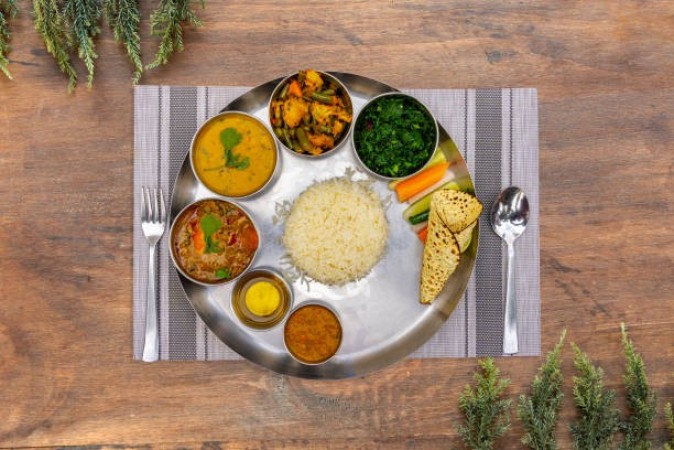
  • At first glance, a plate of Dal Bhat may seem humble, but its richness lies in variety and nutrition. A traditional set typically includes:
  •    i.  Dal - A gently spiced lentil soup, prepared using red, yellow, or black lentils, simmered with garlic, turmeric, ginger, cumin, and mustard seeds.
  •    ii. Bhat - Steamed white rice forms the foundation of the meal, though in the hills and mountains, you may find millet or brown rice used instead.
  •    iii.Tarkari - A seasonal vegetable curry that may include potatoes, pumpkin, cauliflower, beans, or radish.
  •    iv.Saag - Fresh greens such as spinach, mustard leaves, or wild nettle sautéed simply with oil and garlic.
  •    v. Achar (Pickles) - Tangy, spicy condiments made from fermented or fresh ingredients like radish, chili, mango, or tomatoes, offering a flavor punch.
  •    vi.Meat Curry (optional) - In non-vegetarian homes, a side of goat, chicken, or buffalo curry may be served alongside the vegetarian elements.
  • What makes Dal Bhat unique is that it provides a complete, balanced meal: carbohydrates from rice, protein from lentils, vitamins and fiber from vegetables, and healthy fats and spices for digestion and immunity.


  • Why Dal Bhat is More Than a Daily Dish?
  • 1. A Lifelong Companion
  • Dal Bhat is woven into the rhythm of daily life for millions of Nepalis. From childhood to old age, this meal is a constant. It's what parents cook for their children and what elders continue to enjoy every day. Its presence at both lunch and dinner creates a sense of familiarity and continuity in homes across the country.
  • The meal isn’t just about sustenance it’s about tradition and routine, about something dependable in a fast-changing world. In this sense, Dal Bhat is comfort food in its truest form.


  • 2. A Nutritional Workhorse
  • In a country where many people engage in physically demanding work whether it’s tilling fields, herding livestock, walking for miles, or climbing mountains nutrition is key. Dal Bhat provides:
  •    i.  Slow-burning energy from rice
  •    ii. High protein from lentils and legumes
  •    iii.Fiber and iron from green vegetables
  •    iv.Antioxidants and probiotics from pickles and fermented achar
  •    v. Vital micronutrients from turmeric, garlic, and other spices
  • This makes Dal Bhat one of the most nutritious and accessible meals in Nepal, supporting everyday health and vitality, especially in rural areas where food options can be limited.


  • 3. One Dish, Many Stories: Unity in Diversity
  • Nepal is a mosaic of ethnic groups Newar, Gurung, Rai, Sherpa, Tharu, Magar, and many more each with its own distinct cultural practices. Yet Dal Bhat is a shared thread that ties them all together.
  • While the pickles, spice levels, and side curries may differ by region, the essential combination of dal and rice is universal. In Thakali homes, you may find ghee-rich rice and unique fermented sides. In Terai communities, mustard oil adds a sharp bite. But wherever you go, the core of Dal Bhat remains the same a reminder that food has the power to unite a nation.


  • 4. Hospitality on a Plate
  • In Nepali culture, serving food is a sacred act of love and respect. Guests in a Nepali household are always offered Dal Bhat freshly cooked, served in generous portions, and usually accompanied by warm smiles and multiple refills.
  • The philosophy is simple: no one should leave a home hungry. Serving Dal Bhat to visitors, especially with second or third helpings, is a powerful gesture of inclusion.
  • With Nasyana Tours Services, travelers are often welcomed into family kitchens and village homes to enjoy this heartfelt hospitality, where the experience of sharing Dal Bhat becomes a lasting memory of connection and kindness.


  • From Temples to Festivals: A Spiritual Food
  • Dal Bhat also plays a role in Nepal’s religious and ceremonial life:
  •    i.  During festivals like Dashain and Tihar, Dal Bhat is enhanced with festive delicacies and served during family gatherings.
  •    ii. In Hindu pujas, a simplified version is offered to deities and sometimes distributed as prasad (blessed food).
  •    iii. At funerals, weddings, and naming ceremonies, Dal Bhat represents continuity, health, and prosperity.
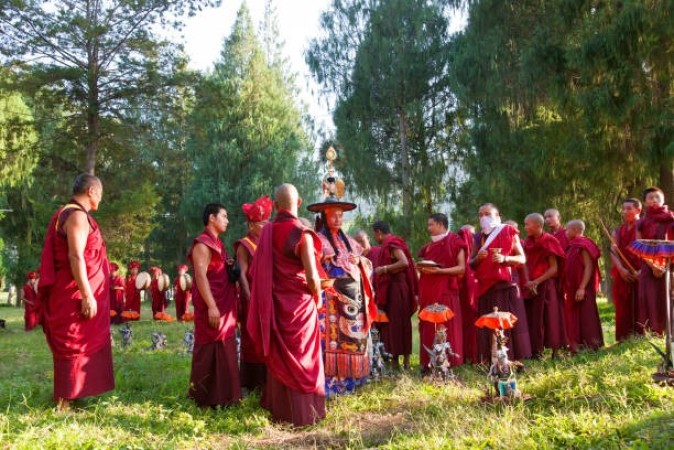
  •    iv.In Buddhist monasteries, monks and visitors often share meals resembling Dal Bhat, reinforcing community and humility.
  • This sacred dimension gives Dal Bhat its special status not just as a meal, but as a meaningful part of Nepal’s spiritual heritage.


  • Dal Bhat: The Trekkers’ Best Friend
  • Anyone who’s trekked through Nepal knows the value of a good meal at the end of a long hiking day. Dal Bhat is a trekker’s lifeline hot, hearty, healthy, and refillable. It’s served in teahouses and lodges throughout the Himalayas, from Everest to Manaslu to Langtang.
  • It’s not just affordable it’s customizable, plentiful, and served with care. Plus, the famous trekking motto sums it up best: “Dal Bhat Power – 24 Hour!”
  • Travelers with Nasyana Tours Services enjoy Dal Bhat meals prepared in traditional village kitchens and local-run lodges, ensuring the food is not only nourishing but also culturally immersive.


  • Experience Dal Bhat the Local Way
  • For those who want to go beyond eating and truly understand Nepali food culture, learning to cook Dal Bhat is a wonderful way to connect. Many rural and urban homestays now offer hands-on cooking classes, where guests learn:
  •      i. The art of cooking soft, fluffy rice
  •      ii. How to simmer lentils with a perfect tadka (spice tempering)
  •      iii.How to pickle vegetables using Himalayan herbs
  •      iv.How to plate a traditional Dal Bhat set like a local
  • Nasyana Tours Services organizes such immersive culinary activities in Bhaktapur, Pokhara, and nea-rby villages allowing visitors to not just taste Nepal, but understand its ingredients, methods, and meaning.


  • FAQs About Dal Bhat
  • Q1: Can Dal Bhat be made vegan or vegetarian?
  • Yes. The basic set is vegetarian and can be made vegan by avoiding ghee or curd-based items.
  • Q2: Is Dal Bhat spicy?
  • It is gently spiced for flavor, not heat. The level of spiciness can always be adjusted, especially for tourists.
  • Q3: Does Dal Bhat taste the same everywhere in Nepal?
  • No. Each region and ethnic group has its own style Thakali Dal Bhat, for example, is famous for its rich flavors and variety of sides.
  • Q4: Can I cook Dal Bhat at home?
  • Absolutely. With a basic set of ingredients lentils, rice, turmeric, cumin you can replicate it. Many classes in Nepal also offer take-home recipes.


  • Conclusion: A Dish That Nourishes the Nation
  • Dal Bhat is not just a meal it’s a message. It tells stories of family, resilience, and shared heritage. It brings together people from different backgrounds and welcomes strangers like family. It’s the food of festivals, of everyday life, and of Himalayan adventures. It feeds farmers, monks, porters, and guests alike.
  • With Nasyana Tours Services, travelers experience Dal Bhat not only as food but as culture, connection, and care. Whether you're dining in a bustling Kathmandu courtyard or in a cozy village home, one thing is certain: every plate of Dal Bhat is a heartfelt invitation to understand Nepal from within.
  • So, when in Nepal, eat Dal Bhat not just with your hands, but with your heart.


Other Blogs

Call Now Chat Now