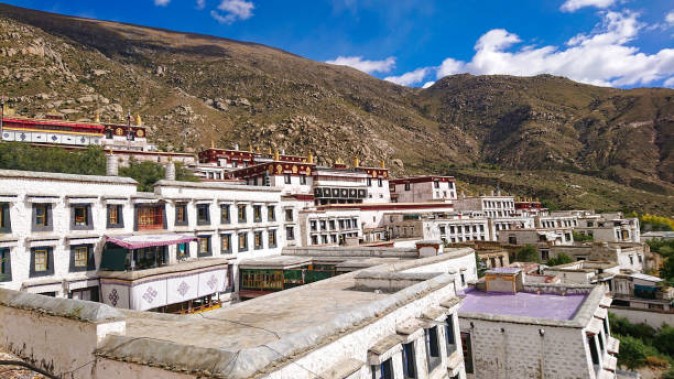
Nepal is home to several UNESCO World Heritage Sites, recognized for their cultural and natural significance. Here are the key UNESCO World Heritage Sites in Nepal:
Kathmandu Valley (7 Sites)
The Kathmandu Valley has seven UNESCO World Heritage Sites, including:
Swayambhunath (Monkey Temple): Swayambhunath, also known as the Monkey Temple, is a prominent religious and cultural site located on a hilltop overlooking the Kathmandu Valley in Nepal. It is one of the most important and ancient stupas in the region, with a history dating back over 2,000 years. The stupa is considered a symbol of the Buddhist heritage of Nepal. The site is famous for its large golden stupa adorned with the "all-seeing eyes of Buddha" on all four sides. These eyes are a distinctive feature, symbolizing the wisdom of Buddha and the concept of omnipresence. Swayambhunath is surrounded by a complex of shrines, temples, and monastic buildings, as well as a large number of monkeys, which gives the site its popular nickname. The temple is both a place of worship and an important pilgrimage site for both Buddhists and Hindus. The site offers panoramic views of Kathmandu Valley, making it a popular destination for tourists and locals alike. The stupa and its surrounding structures have become a UNESCO World Heritage Site, reflecting their historical, religious, and cultural significance.
Pashupatinath Temple:Pashupatinath Temple is one of the holiest and most significant Hindu temples in Nepal, dedicated to Lord Shiva in his Pashupati (Lord of Animals) form. It is located on the banks of the Bagmati River in Kathmandu, and it is a major pilgrimage site for Hindus from around the world. The temple's origins date back over 2,000 years, and its current structure is a blend of pagoda-style architecture with intricate wood carvings and gold-plated details. The main temple is housed within a large, sacred courtyard, and only Hindus are allowed to enter the inner sanctum. The temple complex also features numerous shrines, shrines dedicated to other deities, and sacred bathing ghats along the river. Pashupatinath is known for its cultural and religious rituals, especially the cremation ceremonies that take place on the banks of the Bagmati River, as it is believed to be a place where the soul can achieve liberation. The temple is a UNESCO World Heritage Site, reflecting its profound historical, spiritual, and cultural significance. The Maha Shivaratri festival is a major event at Pashupatinath, drawing thousands of devotees each year.
Boudhanath Stupa: Boudhanath Stupa is one of the largest and most significant Buddhist stupas in the world, located on the outskirts of Kathmandu, Nepal. It is an important pilgrimage site for Tibetan Buddhists and is revered for its spiritual and cultural significance. The stupa, which dates back to the 5th century, is known for its massive mandala-like structure, with a large central dome and the iconic "eyes of Buddha" painted on all four sides. These eyes symbolize the omnipresence and wisdom of the Buddha. The stupa is surrounded by a circular walkway, where devotees perform Kora (circumambulation) as part of their prayers. Boudhanath is also a center for Tibetan Buddhism, with numerous monasteries and Tibetan shops surrounding the stupa. The area is a hub for Tibetan refugees and has a strong cultural influence from Tibet. As a UNESCO World Heritage Site, Boudhanath is an essential part of Nepal's religious heritage and a key symbol of Nepal’s Buddhist tradition. It is especially busy during the Buddhist festivals, such as Lhosar (Tibetan New Year) and Sakyamuni's Birthday, when thousands of pilgrims gather to worship.
Bhaktapur Durbar Square: Bhaktapur Durbar Square is a historic and architectural marvel located in the ancient city of Bhaktapur, near Kathmandu, Nepal. It is one of the three royal palace complexes in the Kathmandu Valley, and it serves as a central hub for Nepal's rich culture and history. The square is renowned for its well-preserved medieval architecture, with a combination of palaces, temples, shrines, and courtyards. Key highlights include the Vatsala Temple, the 55-Window Palace, and the Lion’s Gate. The 55-Window Palace is a significant structure, known for its intricate woodwork and the large windows that adorn the building. The square's Pagoda-style temples and statues showcase the Newar architecture, and the area has remained a major cultural and religious center for centuries. The iconic Bhairab Nath Temple and Vishnu Temple also stand as testaments to the city’s deep Hindu traditions. Bhaktapur Durbar Square is not just an architectural site; it also plays a key role in festivals and local life. The square hosts many important festivals, such as Indra Jatra, drawing crowds from around the world. As a UNESCO World Heritage Site, Bhaktapur Durbar Square is an important symbol of Nepal's rich cultural and historical legacy.
Patan Durbar Square: Patan Durbar Square is a historic royal palace complex located in Lalitpur, also known as Patan, which is a city in the Kathmandu Valley, Nepal. It is one of the three Durbar Squares in the valley and is known for its stunning display of Newar architecture and its significant cultural heritage. The square is home to an array of palaces, temples, and courtyards, showcasing exquisite wood, metal, and stone carvings. Key highlights of Patan Durbar Square include the Mahabouddha Temple, the Hiranya Varna Mahavihar, and the Golden Temple. The main building, the Patan Royal Palace, houses the Patan Museum, which exhibits a collection of ancient artifacts, sculptures, and artworks that reflect Nepal's rich cultural history. The square is also known for its ornate pagoda-style temples, especially the Krishna Mandir, which is considered one of the finest examples of Newar temple architecture. The surrounding streets are lined with artisan shops and local craftsmen, further contributing to Patan's reputation as a center of art and craftsmanship. Patan Durbar Square is a UNESCO World Heritage Site, celebrated for its historical significance, architecture, and vibrant cultural atmosphere. It continues to play a central role in religious and cultural life, hosting various festivals, including Tihar and Buddha Jayanti.
Changu Narayan Temple: Changu Narayan Temple is an ancient Hindu temple dedicated to Lord Vishnu, located on a hilltop in the Kathmandu Valley, near the town of Bhaktapur, Nepal. It is considered one of the oldest Hindu temples still in use and is believed to have been established over 1,500 years ago during the Lichhavi period. The temple is renowned for its unique pagoda-style architecture and its rich collection of ancient inscriptions and carvings, many of which are found on the stone slabs surrounding the temple. The statue of Lord Vishnu inside the temple is a central object of worship, and it is surrounded by numerous other shrines dedicated to various deities. Changu Narayan Temple holds great historical and cultural significance, with some of the inscriptions dating back to the 4th century, making it an important archaeological site. The temple and its surroundings are also a UNESCO World Heritage Site, recognized for their contribution to Nepal’s rich cultural and religious heritage. The location of the temple provides stunning views of the Kathmandu Valley, adding to the spiritual and serene atmosphere. The site remains an important pilgrimage destination for Hindus, especially during festivals such as Tihar and Maha Shivaratri.
Kathmandu Durbar Square: Kathmandu Durbar Square is a historic and cultural landmark located in the heart of Kathmandu, Nepal. It was the royal palace complex and served as the residence for the Malla kings and later the Shah dynasty. The square is known for its impressive palaces, temples, shrines, and courtyards, showcasing traditional Nepalese architecture. Key highlights of Kathmandu Durbar Square include the Hanuman Dhoka Palace, which was the royal residence, the Kumari Ghar (home of the living goddess, the Kumari), and the Kasthamandap, a wooden structure that is said to have given Kathmandu its name. The square also features the Vishnu Temple, Shiva Parvati Temple, and Taleju Temple, which are architectural gems with intricate carvings and beautiful pagoda-style roofs. The square has played an essential role in Nepal's history, culture, and politics, often serving as the venue for royal ceremonies and public gatherings. Kathmandu Durbar Square is a UNESCO World Heritage Site, recognized for its historical significance and the preservation of traditional architecture. The area remains a bustling hub of activity, with locals and tourists alike visiting to experience its cultural vibrancy, festivals, and historical charm. Despite some damage from the 2015 earthquake, many parts of the square have been restored to maintain its cultural legacy.
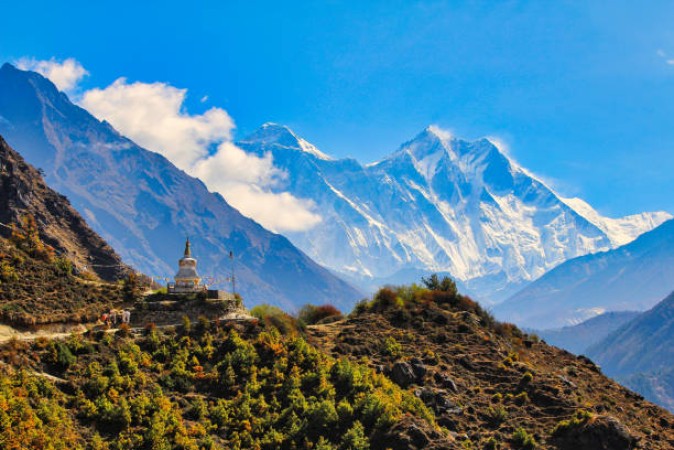
Sagarmatha National Park: Sagarmatha National Park is a UNESCO World Heritage Site located in the northeastern region of Nepal, within the Solukhumbu District. The Park is renowned for its dramatic landscapes, including some of the highest peaks in the world, most notably Mount Everest (Sagarmatha), which gives the park its name. It spans an area of around 1,148 square kilometers and is home to diverse ecosystems, ranging from subalpine forests to the rugged, snow-capped terrain of the high Himalayas. The Park is not only famous for its stunning natural beauty but also for its rich biodiversity. It is home to a variety of wildlife, including the snow leopard, red panda, Himalayan tahr, and numerous species of birds like the Danphe (Himalayan monal), which is also Nepal's national bird. Sagarmatha National Park is a popular destination for trekkers, particularly those aiming to reach the base camp of Mount Everest, one of the world's most famous trekking routes. The Park also holds cultural significance, as it is inhabited by the Sherpa people, known for their mountaineering skills and strong ties to the region. The park's diverse ecosystems, cultural heritage, and towering peaks make it an essential destination for nature lovers, adventure enthusiasts, and those seeking to explore the unique cultural landscape of the Himalayas.
Chitwan National Park: Chitwan National Park is a UNESCO World Heritage Site located in the southern region of Nepal, in the Terai lowlands. Established in 1973, it is one of the country’s first national parks and covers an area of approximately 932 square kilometers. The Park is renowned for its rich biodiversity, including a wide variety of wildlife, plants, and bird species. Chitwan is most famous for being a sanctuary for the one-horned rhinoceros and Bengal tigers, both of which are endangered species. It is also home to other animals such as the wild elephant, leopard, sloth bear, crocodiles, and Gharial crocodiles, as well as a large number of bird species, making it a haven for wildlife enthusiasts and bird watchers. The park’s diverse ecosystems, which include grasslands, forests, and river systems, provide an ideal habitat for a range of wildlife. It also offers visitors the opportunity to experience safaris on elephant back, jeep rides, canoe rides, and guided walks to explore the natural beauty of the park and spot wildlife. Chitwan National Park is also culturally significant, with indigenous communities living in the area, including the Tharu people, whose traditions and lifestyle are closely tied to the natural environment. The park’s combination of rich wildlife, cultural heritage, and scenic beauty makes it a popular destination for eco-tourism and conservation efforts.
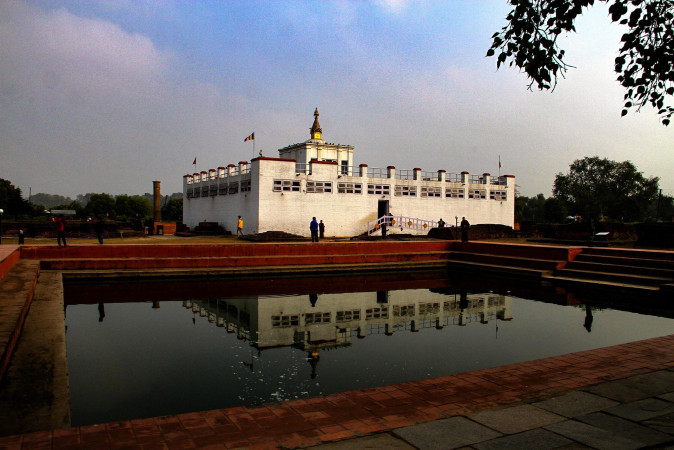
Lumbini, the Birthplace of Lord Buddha: Lumbini is the birthplace of Gautama Buddha, the founder of Buddhism, and one of the most significant religious sites in the world. Located in the Rupandehi District of southwestern Nepal, Lumbini is a UNESCO World Heritage Site, celebrated for its historical, cultural, and spiritual importance. Lumbini's main attraction is the Maya Devi Temple, which marks the exact spot where Buddha was born, around the 6th century BCE. The temple is named after Queen Maya, Buddha's mother, and features an ancient stone pillar erected by Emperor Ashoka in 249 BCE, marking the site as a place of pilgrimage. The area surrounding the temple is filled with various monasteries, stupas, and sacred pools, including the Puskarini Pond, where it is believed that Buddha's mother took a ritual bath before giving birth. In addition to its religious significance, Lumbini is a center of Buddhist learning and a place for meditation, attracting visitors and pilgrims from around the world. It also serves as a symbol of peace and harmony, as various Buddhist nations have built monasteries and temples reflecting their respective traditions. Lumbini continues to play a key role in the spread of Buddhism and is a place where people come to reflect on the teachings and philosophy of Buddha.