Why Kathmandu is Known as the ‘City of Temples’

  • Nestled in the heart of the Himalayas, Kathmandu is far more than Nepal’s capital it’s a sacred city where gods and mortals share the same streets. Often referred to as the "City of Temples", Kathmandu boasts an unmatched spiritual density. Ancient pagodas, hidden shrines, and sacred stupas are woven into the very fabric of the city, making it feel more like a living temple than a modern metropolis.
  • Nowhere else in the world will you find such an astonishing concentration of religious monuments in one place. In fact, it's said that there are more temples than houses, more gods than people a poetic expression of the city's sacred essence.


  • A City Built on Faith and Devotion
  • Kathmandu's religious landscape reflects its deep-rooted heritage, dating back more than 2,000 years. As the ancient capital of the Malla kingdoms and a center of both Hinduism and Buddhism, the city has long been a canvas for kings, monks, and devotees who expressed their piety by building temples, shrines, stupas, and monasteries.
  • Each structure tells a story of divine vision, artistic mastery, cultural identity, and spiritual purpose. Whether it’s the towering spires of Pashupatinath Temple, the mystical eyes of Swayambhunath (Monkey Temple), or the serene dome of Boudhanath Stupa, every monument pulse with energy that captivates pilgrims and travelers alike.


  • Why Are There So Many Temples in Kathmandu?
  • Kathmandu's unique spiritual ecosystem did not emerge by accident. Several cultural and historical forces contributed to the city becoming a temple haven:
  • 1. Royal Patronage of the Malla Era
  • Between the 12th and 18th centuries, the Malla kings of Kathmandu, Bhaktapur, and Patan competed to create grand temples as acts of devotion and legacy. This artistic rivalry led to the construction of thousands of religious monuments, many of which still stand today in Durbar Squares across the valley.
  • 2Fusion of Hinduism and Buddhism
  • One of Kathmandu’s most fascinating aspects is the harmonious coexistence of Hindu and Buddhist beliefs. In many temples, you’ll see Hindu and Buddhist elements side by side Vishnu and Avalokiteshvara, Shiva lingams next to Buddha statues. This syncretism allowed the creation of more shared spaces of worship.
  • 3. Faith in Everyday Life
  • In Kathmandu, faith isn’t a once-a-week practice it’s a way of life. From morning rituals at roadside shrines to offerings made during daily commutes, spirituality is infused in every moment. As a result, temples were built into homes, courtyards, markets, and every available corner of the city.
  • 4. Festival Culture and Temple Activity
  • Throughout the year, religious festivals like Indra Jatra, Dashain, and Buddha Jayanti bring temples to life with music, dance, and sacred processions. These celebrations maintain the active role of temples in society and draw pilgrims from all over Nepal and beyond.


  • Iconic Temples and Sacred Sites in Kathmandu
  • Kathmandu is home to some of the most revered and visually stunning spiritual landmarks in South Asia. Here are just a few that you shouldn’t miss:
  • i. Pashupatinath Temple: One of the most important temples to Lord Shiva in the world. A UNESCO World Heritage Site and center of Hindu cremation rituals along the Bagmati River.
  • ii. Boudhanath Stupa: One of the largest stupas in Asia, this sacred site is a major destination for Tibetan Buddhists. Its all-seeing eyes represent the omnipresence of the Buddha.
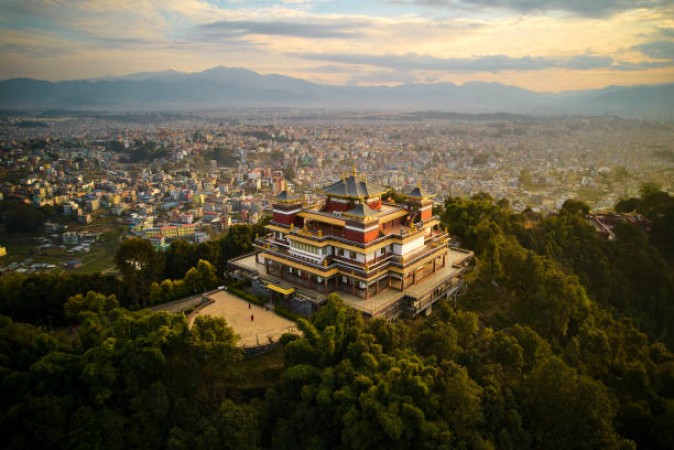
  • iii. Swayambhunath (Monkey Temple): Perched on a hilltop, this stupa is one of the oldest and most mystical sites in Kathmandu. It offers sweeping views of the city and a powerful spiritual atmosphere.
  • iv. Kathmandu Durbar Square: A royal plaza filled with temples like Taleju Bhawani, Hanuman Dhoka Palace, and Kumari Ghar the home of the Living Goddess Kumari.
  • v. Patan and Bhaktapur Temples: Just outside the city, these neighboring cities boast equally majestic temple architecture and living heritage. You’ll find Krishna Mandir, Nyatapola Temple, and countless others.


  • Experience the Sacred with Nasyana Tour Services
  • At Nasyana Tour Services, we believe that travel should be transformative. Our mission is to connect you not just to destinations, but to deeper spiritual experiences and authentic cultural immersion.
  • Our Kathmandu-based spiritual and heritage tours are designed to introduce travelers to the soul of the city. Whether you want to meditate under ancient stupas, witness sacred rituals, or explore hidden temples known only to locals, our expert guides will open doors that most tourists miss.
  • Personalized Temple Tours of Kathmandu
  • Cultural Walks with Local Experts
  • Festival & Ritual Experience Packages
  • Spiritual Journeys across the Kathmandu Valley
  • We also offer extended trips combining Kathmandu, Bhaktapur, Patan, and nearby sacred sites like Namobuddha, Dakshinkali, and Budhanilkantha.


  • Frequently Asked Questions (FAQ)
  • Q1: Why is Kathmandu called the "City of Temples"?
  • A: Kathmandu has an exceptionally high concentration of Hindu and Buddhist temples more than 3,000 many of which are centuries old. These temples are central to the city's identity, making it a spiritual capital of South Asia.
  • Q2: What are the most famous temples to visit in Kathmandu?
  • A: Key sites include Pashupatinath Temple (Hindu), Boudhanath Stupa and Swayambhunath Stupa (Buddhist), Taleju Temple, Krishna Mandir in Patan, and the Nyatapola Temple in Bhaktapur.
  • Q3: Can non-Hindus enter all temples in Kathmandu?
  • A: While most temples are open to all visitors, some like the inner sanctum of Pashupatinath are restricted to practicing Hindus. However, visitors can still view many rituals from the surrounding areas.
  • Q4: What is the best time to visit Kathmandu’s temples?
  • A: The ideal time is during autumn (September to November) or spring (March to May) when the weather is pleasant. Visiting during festivals like Dashain or Indra Jatra also offers a unique experience.
  • Q5: Do I need a guide to explore temples in Kathmandu?
  • A: While self-guided visits are possible, having a knowledgeable local guide such as those from Nasyana Tour Services offers invaluable insight into history, symbolism, and cultural context.
  • Q6: Are there etiquette rules I should follow when visiting temples?
  • A: Yes. Dress modestly, remove shoes before entering temple premises, avoid touching sacred images, and always walk clockwise around stupas or shrines.


  • Begin Your Spiritual Journey Today
  • Kathmandu is not just a city it is a sacred space where time slows down, the air feels holy, and the stones seem to whisper prayers. As the City of Temples, it invites every traveler to explore not just monuments but meaning, not just beauty but belief.
  • With Nasyana Tour Services, you’re not just visiting temples you’re experiencing Kathmandu through the lens of its spiritual soul.
  • 🌿 Let us guide your journey—one temple at a time.
  • 📞 Contact Nasyana Tour Services today to start your sacred exploration.


Other Blogs

Call Now Chat Now