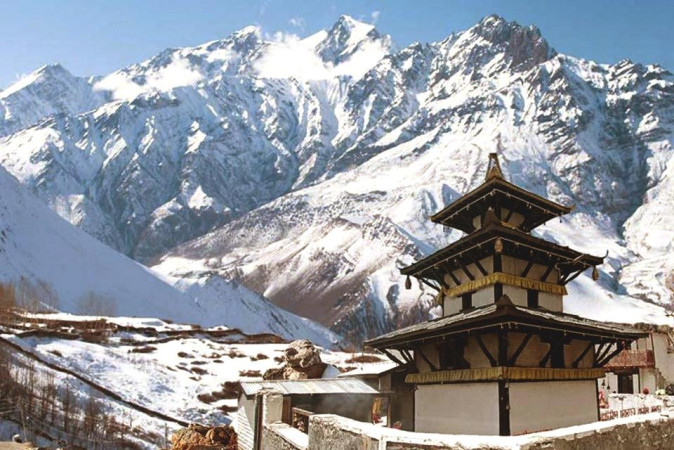
Understanding Tibetian Buddhism: What Travelers Should know
Tibet land of snow-capped peaks, high-altitude plains, and ancient spiritual heritage is much more than a stunning destination. It is a sanctuary of one of the most profound religious traditions in the world: Tibetan Buddhism. For centuries, this spiritual path has shaped not only Tibetan identity but also influenced surrounding regions like Nepal, Bhutan, Ladakh, and northern parts of India.
Travelling through Tibet and the Himalayas offers far more than scenic views it’s a journey through monasteries echoing with sacred chant, fluttering prayer flags releasing blessings into the wind, and communities living in rhythm with spiritual rituals. If you’re planning to explore these sacred landscapes with Nasyana Tour Services, understanding Tibetan Buddhism will enrich your experience and deepen your connection to this mystical part of the world.
What is Tibetan Buddhism?
Tibetan Buddhism is a branch od Mahayana Buddhism, which emphasizes the path of the Bodhisattva an enlightened being who seeks liberation not just for oneself, but for all sentient beings. It incorporates tantric elements from Vajrayana Buddhism and blends them with the indigenous Bon tradition of Tibet, resulting in a complex but deeply symbolic belief system.
This form of Buddhism is not only practiced in Tibet but is deeply embedded in the cultures of Nepal’s Himalayan regions (like Mustang & Dolpo), Bhutan, Sikkim, and Mongolia. Tibetan Buddhism is also known for its highly visual and ritualistic nature, which can be seen in its art, architecture, music and festivals.
Key Aspects of Tibetan Buddhism Travelers Should Know
1. Monasteries: The Spiritual Centers
Monasteries are the heart of Tibetan life. They serve as religious schools, meditation centers, and repositories of ancient texts and rituals. Visiting monasteries such as Jokhang Temple, Sera Monastery, or Tashilhunpo Monastery gives you a glimpse into the spiritual life of Tibetan monks and nuns. Travelers should ne respectful, dress conservatively, and observe local customs while visiting these sacred spaces.
2. Prayer Flags and Prayer Wheels
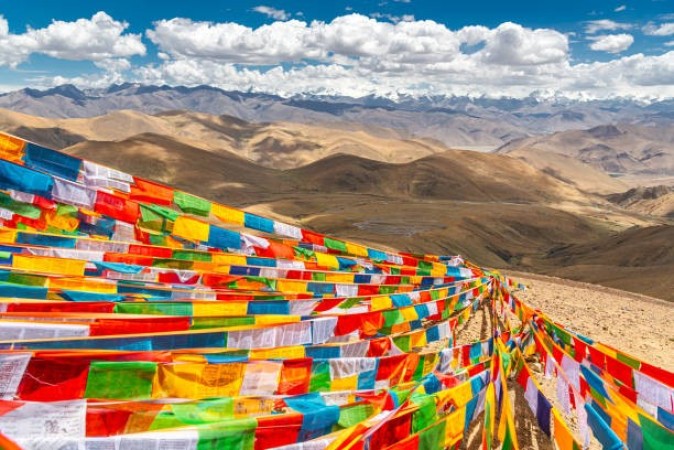
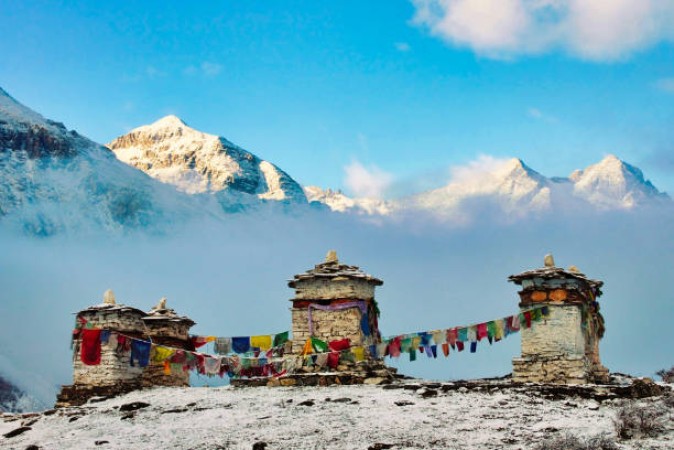
Colorful prayer flags are strung across high passes, temples, and rooftops. Each color represents an element blue (sky), white (air), red (fire), green (water), and yellow (earth). The prayers written on them are believed to be carried by the wind to spread peace and compassion.
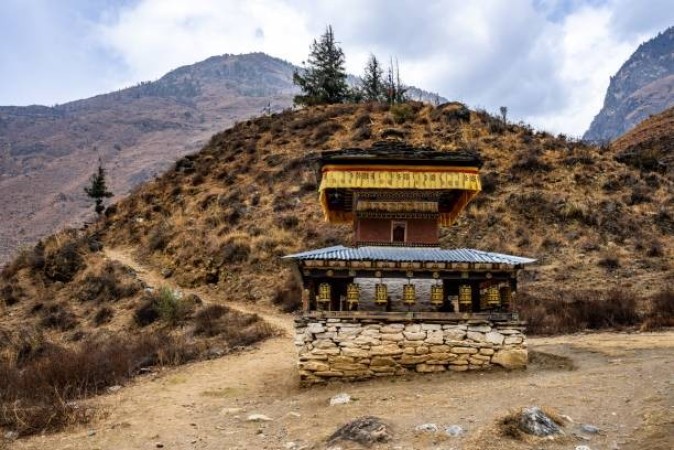
Similarly, prayer wheels contain scrolls of mantras. Spinning them clockwise, while chanting "Om Mani Padme Hum," is said to be as meritorious as reciting the prayers themselves.
3. The Dalai Lama and Reincarnation
The Dalai Lama is the spiritual leader of Tibetan Buddhism and is believed to be a reincarnation of Avalokiteshvara, the Bodhisattva of compassion. The tradition of reincarnated lamas, called tulkus, is central to Tibetan belief. Monks often recognize children as the reincarnation of great teachers and raise them in monasteries.
4. Deities and Bodhisattvas
Tibetan Buddhism features a rich pantheon of Buddhas, Bodhisattvas, and protector deities. These symbolic figures are not gods in the Western sense but embodiments of enlightened qualities. For example, Tara represents compassion and action, Manjushri embodies wisdom, and Guru Rinpoche (Padmasambhava) is revered as the founder of Tibetan Buddhism.
5. Mandala Art and Thangkas
Mandala paintings and sand mandalas are intricate representations of the universe, used as tools for meditation. Thangkas scroll paintings depict deities, scenes from the Buddha’s life, or cosmological diagrams. These artworks are not merely decorative but serve as visual aids to spiritual realization.
6. Pilgrimage and Kora
Pilgrimage is a powerful act of devotion in Tibetan Buddhism. Pilgrims often perform kora, which involves walking clockwise around sacred objects or places, such as temples, stupas, or even entire mountains. The Mount Kailash Kora is considered one of the most sacred pilgrimages in the world a spiritual journey that Nasyana Tour Services proudly facilitates for seekers and travelers.
7. Festivals and Rituals
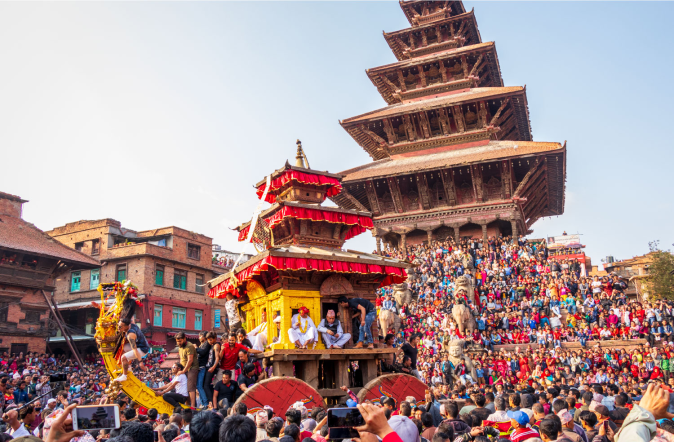
Tibetan Buddhist festivals are colorful, rhythmic, and symbolic. The Losar (Tibetan New Year) is marked by purification rituals and dances. Saga Dawa, honoring the Buddha’s birth, enlightenment, and death, is a deeply spiritual time when thousands perform kora at holy sites. Witnessing or participating in these festivals gives travelers a rare insight into the living tradition of Buddhism.
8. Monastic Life and Teachings
Monks and nuns dedicate their lives to study, meditation, and service. Many monasteries welcome visitors to observe teachings or participate in pujas (prayer ceremonies). You’ll often hear melodic chanting, see offerings of butter lamps and incense, and feel the deep serenity that surrounds monastic life.
How This Enriches Your Journey
Tibetan Buddhism isn’t just a religion it’s a way of life that informs everything from daily greetings to grand festivals. As a traveler, understanding its principles will allow you to appreciate the region’s architecture, art, customs, and values in a much deeper way. You’ll see that every prayer flag, every chant, and every sacred site carries layers of meaning rooted in centuries of practice.
At Nasyana Tour Services, we curate spiritual journeys that not only showcase the beauty of Tibet and the Himalayas but also honor their spiritual significance. Our knowledgeable guides help travelers connect with local monks, visit off-the-beaten-path hermitages, and participate in rituals respectfully making your journey both educational and transformative.
Travel Respectfully and Mindfully with Nasyana Tour Services
Whether you're planning a trip to Lhasa’s Potala Palace, a pilgrimage to Mount Kailash, or a cultural journey through Nepal’s Tibetan-influenced regions, Nasyana Tour Services ensures your travels are spiritually enriching and culturally respectful. We believe that travel to sacred spaces should be more than sightseeing it should be a soul journey.
Our guides are trained not just in logistics but in spiritual context, helping you understand the essence behind every monastery, statue, and ritual you encounter.
❓ Frequently Asked Questions (FAQ)
Q1: Do I need to understand Buddhism to visit Tibetan Buddhist sites?
A: No. Travelers from all faiths and backgrounds are welcome. A basic understanding and respectful attitude are appreciated by locals and monks.
Q2: Can I participate in local rituals or festivals?
A: Yes. Many rituals like spinning prayer wheels, lighting butter lamps, and walking kora are open to visitors. Some sacred rituals are reserved for monastics, but respectful observation is always welcome.
Q3: What should I wear when visiting monasteries?
A: Dress modestly cover shoulders and knees. Remove shoes before entering prayer halls, and avoid flashy clothing or loud accessories.
Q4: Is photography allowed in monasteries?
A: Sometimes. Always ask permission first. Flash photography is usually discouraged, and some inner sanctums strictly forbid it.
Q5: When is the best time to explore Tibetan Buddhist regions?
A: Late spring (May–June) and early autumn (September–October) offer the best weather. Festivals like Saga Dawa and Losar provide deep cultural insight.
Q6: How does Nasyana Tour Services enhance my Tibetan Buddhist journey?
A: We offer spiritually informed, locally guided tours to Tibet, Nepal, and Bhutan. Our itineraries include immersive experiences like monastery visits, meditation sessions, and festival participation making your travel meaningful and respectful.
In Conclusion,
Understanding Tibetan Buddhism is more than an academic exercise it is an invitation to slow down, observe deeply, and open your heart. This living tradition, with its emphasis on compassion, wisdom, and interdependence, offers valuable lessons to all who encounter it.
Let Nasyana Tour Services be your bridge to this sacred world. We don’t just take you to holy sites we help you feel the spirit behind them.
Ready to begin your spiritual journey through Tibet and the Himalayas? Contact Nasyana Tour Services today and experience travel that touches the soul.